July 15, 2026
A building is only as strong as the roof protecting it. Business owners face a big decision when it comes time to install a new roof or replace an old one. You need robust materials that will stand up to harsh weather. Fortunately, there are many options available for flat and low-sloped buildings. Experienced local commercial roofing contractors often recommend a handful of proven materials. These options provide long-lasting defense against rain, wind, and sun damage. Choosing the right material ensures your business operations continue without unexpected leaks.
Navigating the commercial roofing market can feel overwhelming. However, breaking down the top choices makes the selection process much easier for everyone involved. Each material has distinct advantages, ranging from chemical resistance to energy efficiency. Understanding these core benefits helps property owners make informed decisions. You want to feel confident that your investment will yield positive results. We'll explore four durable materials that industry professionals use to keep commercial buildings safe, secure, and dry throughout the entire year.
1. TPO Roofing: Delivering Energy Efficiency and Reliable Durability
Thermoplastic Polyolefin, commonly known as TPO, has gained massive popularity in the commercial sector. This single-ply roofing membrane consists of a rubber and plastic blend. The material offers a great balance of performance and overall cost-effectiveness. TPO is naturally bright white, which means it reflects UV rays away from the building. This high reflectivity significantly lowers cooling costs during hot summer months, saving companies money annually.
Beyond energy savings, TPO is incredibly tough against physical damage. The membrane resists dirt buildup, punctures, and tears. This durability is vital for buildings experiencing foot traffic from maintenance workers. HVAC technicians and facility inspectors can walk across the surface without damaging the protective layer. Many local commercial roofing contractors prefer TPO because it's lightweight and simple to install. Professionals attach the membrane using mechanical fasteners or industrial adhesives.
After securing the material, installers use hot air tools to weld the seams together. This heat-welding process creates a watertight bond that is often stronger than the original membrane itself. Property owners appreciate the solid lifespan of a well-installed TPO roof. In our experience, these systems can last 20 to 30 years before needing replacement when properly maintained. The winning combination of easy patch repairs, energy efficiency, and physical durability makes TPO a top contender.
2. PVC Roofing: Providing Superior Resistance to Elements and Chemicals
Polyvinyl Chloride, or PVC, is another sought-after single-ply membrane. While it shares some similarities with TPO, PVC has its own unique set of structural strengths. Reliable local commercial roofing contractors often suggest PVC for facilities exposed to harsh chemicals. Restaurants, manufacturing plants, and processing facilities frequently produce airborne oils and greases that end up on the roof. PVC stands up to these substances without breaking down.
Other common materials might deteriorate or blister when exposed to animal fats or industrial chemicals, but PVC remains intact. This impressive chemical resistance makes it an invaluable asset for specific heavy industries. The material is also highly resistant to fire hazards and wind uplift, adding an extra layer of structural safety. Much like TPO, PVC is highly reflective and contributes to a noticeably cooler building interior.
The installation process utilizes heat-welded seams to guarantee a leak-proof environmental barrier. These welded seams form a continuous, impermeable sheet, leaving no room for water intrusion. According to The Spruce, membrane roofing can last up to 35 years with adequate maintenance. PVC falls perfectly into this category, offering decades of reliable structural protection. Business owners can rest easy knowing their financial investment will endure years of severe weather.
3. EPDM Roofing: Offering Proven Longevity and Climate Flexibility
Ethylene Propylene Diene Terpolymer, widely referred to as EPDM, is a synthetic rubber roofing membrane. It's been a reliable staple in the commercial roofing industry for decades. EPDM is easily recognizable by its black color, though white variants are available. This material is famous for its elasticity and ability to withstand harsh weather conditions year after year without failure. It provides a reliable barrier against extreme temperature shifts.
One of the greatest advantages of EPDM is its performance in cold climates. The synthetic rubber remains flexible even when winter temperatures drop below freezing. This flexibility prevents the material from cracking or shattering during winter snowstorms. Conversely, it also holds up well under the intense heat of the summer sun without drying out. The dark color of standard EPDM provides a unique benefit for buildings located in colder regions.
The black surface absorbs solar heat, which can help melt accumulated snow and thick ice faster. This rapid melting reduces the heavy weight load on the roof structure. EPDM is available in massive rolls, which means there are fewer seams on the finished roof surface. Skilled local commercial roofing contractors typically use liquid adhesives or specially designed double-sided tape to secure the overlapping edges. An EPDM roof often protects buildings for three decades or longer.
4. Metal Roofing: Ensuring Structural Strength and Maximum Lifespan
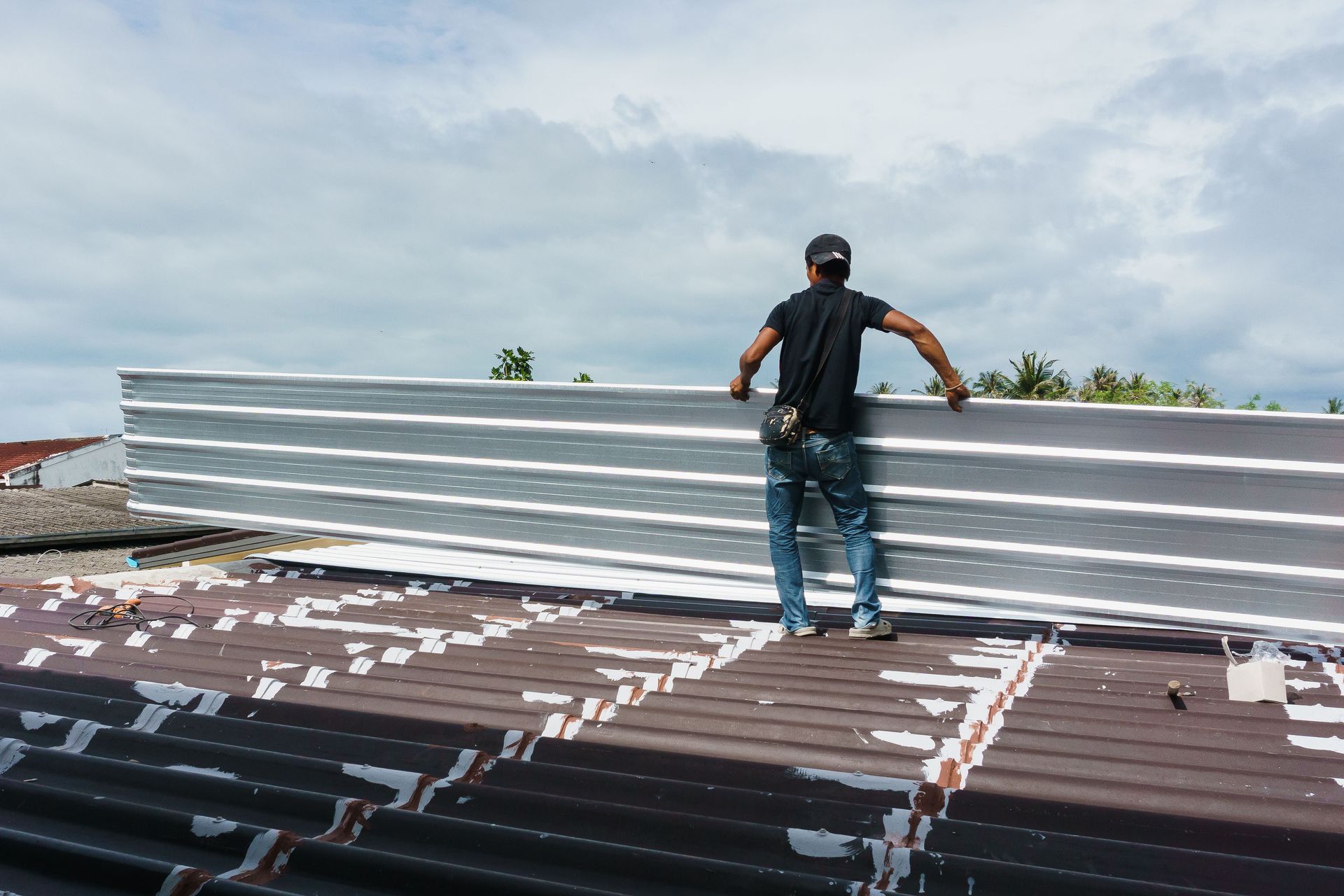
Metal roofing stands apart from single-ply membranes in both physical appearance and structural composition. Materials like galvanized steel, aluminum, and copper provide strength for commercial buildings. Metal roofs come in various profiles, including corrugated panels and standing seam designs. A standing seam roof is particularly popular because the raised seams interlock perfectly, keeping moisture completely out of the interior. The initial cost of a metal roof is usually higher than that of most membrane options.
However, knowledgeable local commercial roofing contractors emphasize the long-term return on investment. Metal roofs are impervious to fire, high winds, and heavy winter snowfall. They don't rot, crack, or warp over time, making them a permanent structural solution for many industrial facilities. Environmental sustainability is an additional advantage of choosing a metal roof system. Most metal roofing materials contain a high percentage of recycled content from the factory.
At the end of their long life cycle, the solid panels are recyclable. Metal roofs are also compatible with solar panel installations, allowing businesses to further increase their energy efficiency. We've found that a well-maintained metal roof outlasts almost every other commercial roofing material. In our experience, it's not uncommon for a well-maintained metal roof to last 40 to 60 years before needing replacement. The durability of metal makes it an outstanding choice for property owners looking for a lifelong roofing solution.
Selecting the proper roofing material is a major step in protecting your entire commercial property. TPO, PVC, EPDM, and metal all provide distinct operational benefits tailored to different environmental needs. Partnering with experienced local commercial roofing contractors ensures that you receive expert guidance during this crucial decision process. These professionals will carefully evaluate your building structure, operating budget, and local climate to recommend the ideal fit. Making the right choice impacts your bottom line.
Investing in a highly durable commercial roof secures the financial future of your physical facility. A high-quality installation drastically minimizes the future need for disruptive emergency repairs and effectively prevents costly interior water damage down the road. Whether you prioritize chemical resistance, energy savings, or maximum potential longevity, there's a modern material perfectly suited for your daily needs. Take the time to fully explore these options and secure a solid foundation for your growing business.
Ready to get started? Call Mike Brown Roofing, Siding, Gutters today to schedule a roof evaluation with our experienced local commercial roofing contractors.