November 12, 2026
Selecting the ideal roof for a commercial facility is a major decision that impacts the long-term protection, energy efficiency, and structural integrity of the property. When it is time to upgrade an existing roof, property owners must navigate a wide variety of materials and performance specifications. A well-chosen system protects inventory, safeguards employees, and minimizes disruptive maintenance cycles. Engaging with a reliable commercial roofing company early in the process ensures that all unique architectural requirements and local climate challenges are addressed properly. The right partnership can streamline the selection process, providing valuable insights into the benefits and limitations of various materials. By understanding the core factors that influence roof performance, property managers can make strategic decisions that align with operational goals and budgetary constraints. This guide explores the essential elements to consider when determining the most appropriate roofing solution.
Assessing Your Structural Requirements
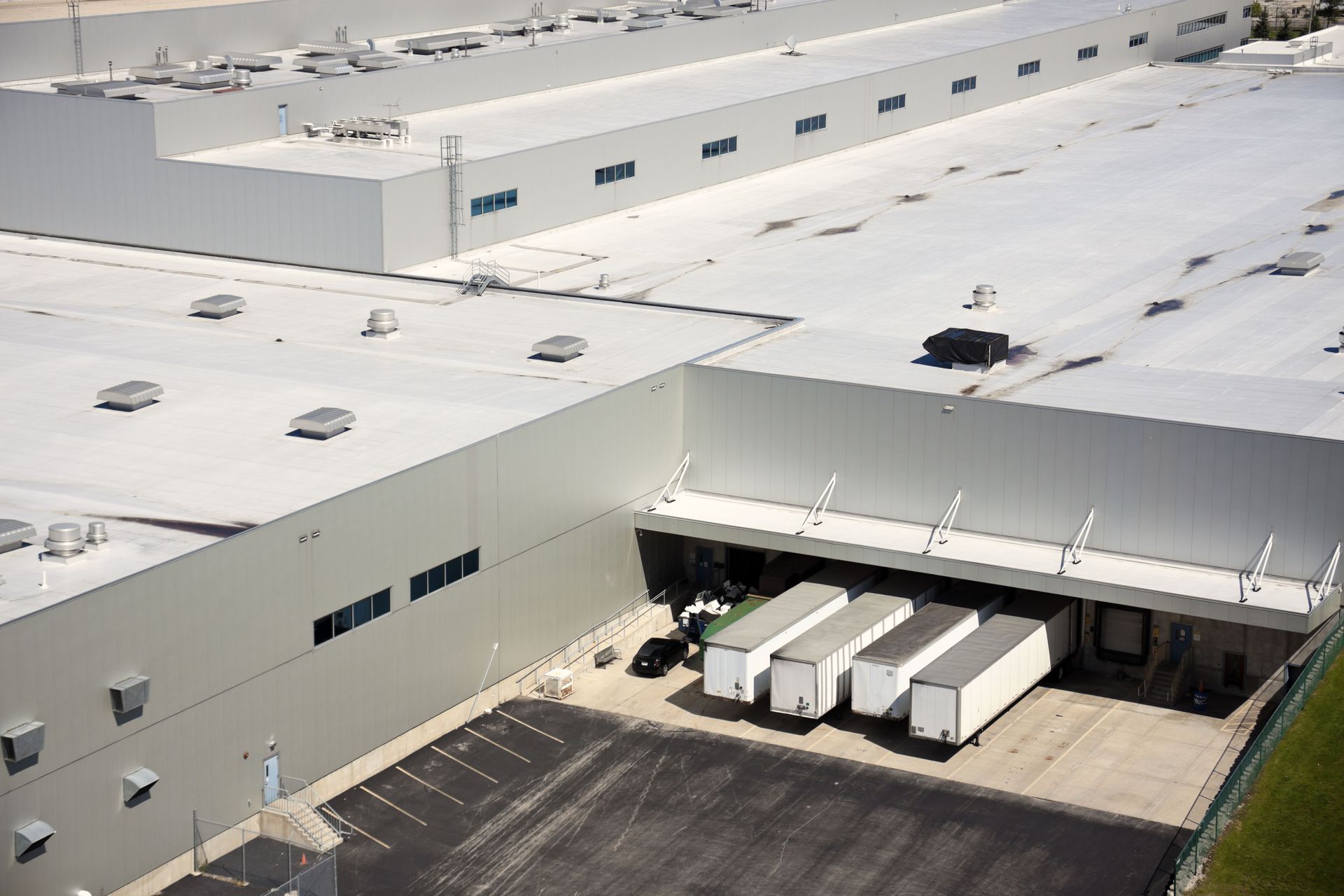
Before diving into specific material options, it is essential to evaluate the distinct structural demands of the facility. Every building has unique architectural features, load-bearing capacities, and functional requirements that dictate the type of roof it can safely support. Facilities that house heavy equipment on the roof require a robust system capable of withstanding significant weight and frequent foot traffic. Consulting with a knowledgeable commercial roofing company helps determine if the existing structure needs reinforcement before a new system is installed. Additionally, the slope of the roof plays a critical role in material selection, as completely flat surfaces require different water management strategies compared to those with a slight pitch. Taking the time to assess these physical characteristics prevents future structural complications and ensures the chosen system will perform optimally under everyday conditions.
Evaluating Built-Up Roofing Systems
Built-up roofing systems have been a staple in the industry for many decades, offering a proven track record of durability and reliable weather resistance. These roofs are constructed by alternating layers of reinforcing fabrics and bitumen, finishing with a top layer of aggregate, such as gravel or slag. The multi-layered design provides exceptional protection against water infiltration and severe weather events, making it a highly resilient choice for flat or low-slope structures. The heavy aggregate surfacing also offers excellent fire resistance and defense against physical impact from environmental debris. While the installation process can be labor-intensive and the materials add weight to the building, the resulting surface is incredibly tough. Facility managers appreciate the low maintenance nature of this traditional system, as its thick composition stands up well to harsh environmental demands over its lifespan.
Exploring Single-Ply Membrane Options
Single-ply membrane roofs have gained immense popularity due to their flexibility, cost-effectiveness, and straightforward installation processes. These systems typically consist of flexible sheets of compounded synthetic materials that are manufactured in a controlled setting to ensure strict quality standards. Among the available options, thermoplastic polyolefin and ethylene propylene diene terpolymer are utilized for strong performance in diverse climates. According to Roofing Contractor, TPO is the most popular type of singly ply roofing, driving 49% of sales for commercial contractors. The reflective properties of many single-ply membranes contribute significantly to reducing cooling costs during warmer months. Because these systems are lightweight, they place minimal stress on the building structure. Collaborating with an experienced commercial roofing company ensures the membrane is properly adhered, maximizing its resistance to high winds and preventing premature seam failures.
Considering Metal Roofing Solutions
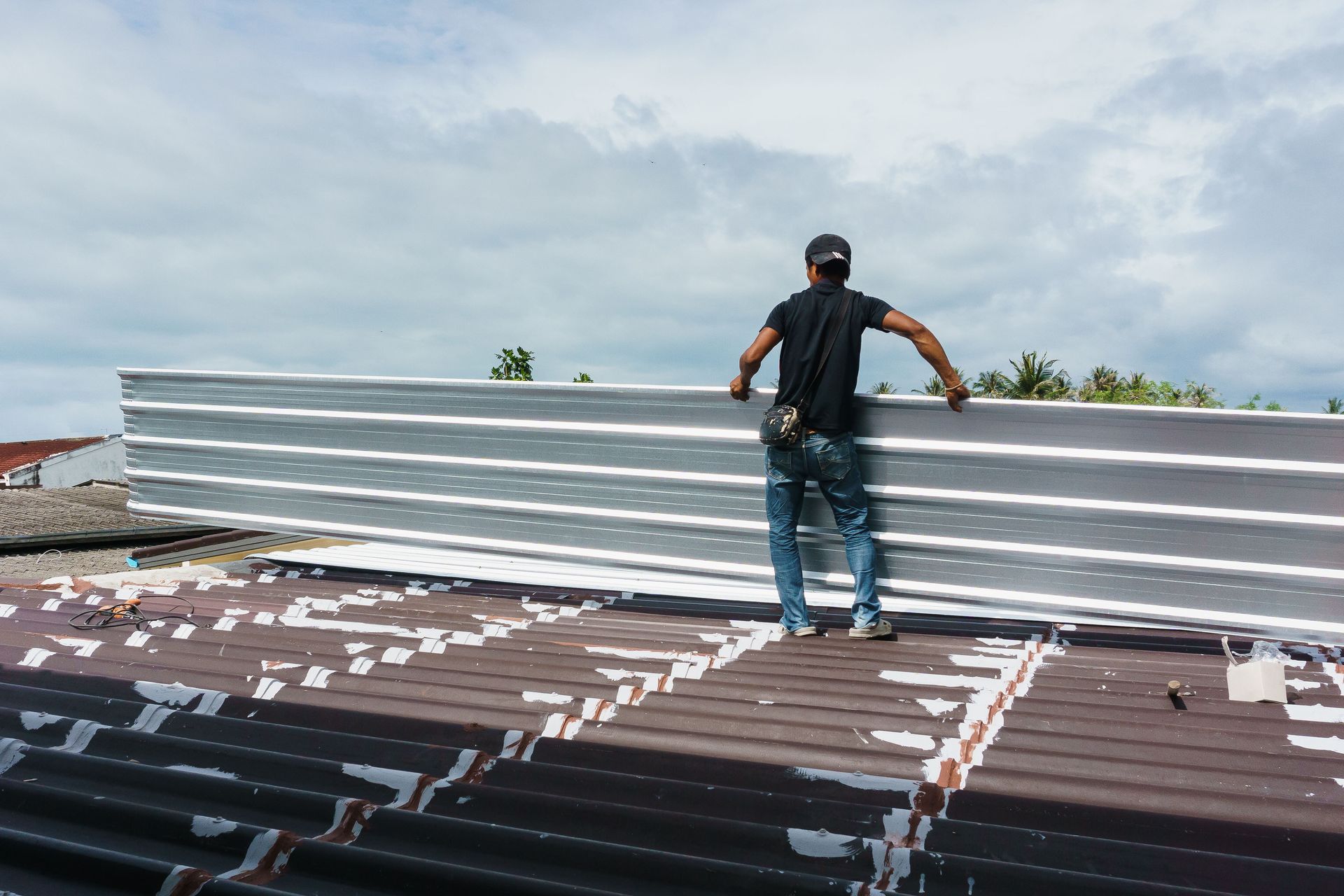
Metal roofing provides a highly durable and long-lasting alternative for facilities that require maximum protection and aesthetic appeal. Manufactured from materials like steel, aluminum, or copper, these roofs are engineered to withstand extreme weather conditions, including heavy snowfall, high winds, and intense solar radiation. One of the primary advantages of metal systems is their exceptional longevity, often outlasting traditional membrane or built-up roofs by decades. Furthermore, metal materials are highly resistant to fire, mildew, and insect damage, significantly reducing the need for ongoing reactive maintenance. While the initial investment for a metal roof is typically higher than other options, the lifecycle cost is often much lower due to the minimal upkeep required. Partnering with a reputable commercial roofing company guarantees that the metal panels are precisely installed and properly sealed against temperature fluctuations.
Understanding Modified Bitumen Roofing
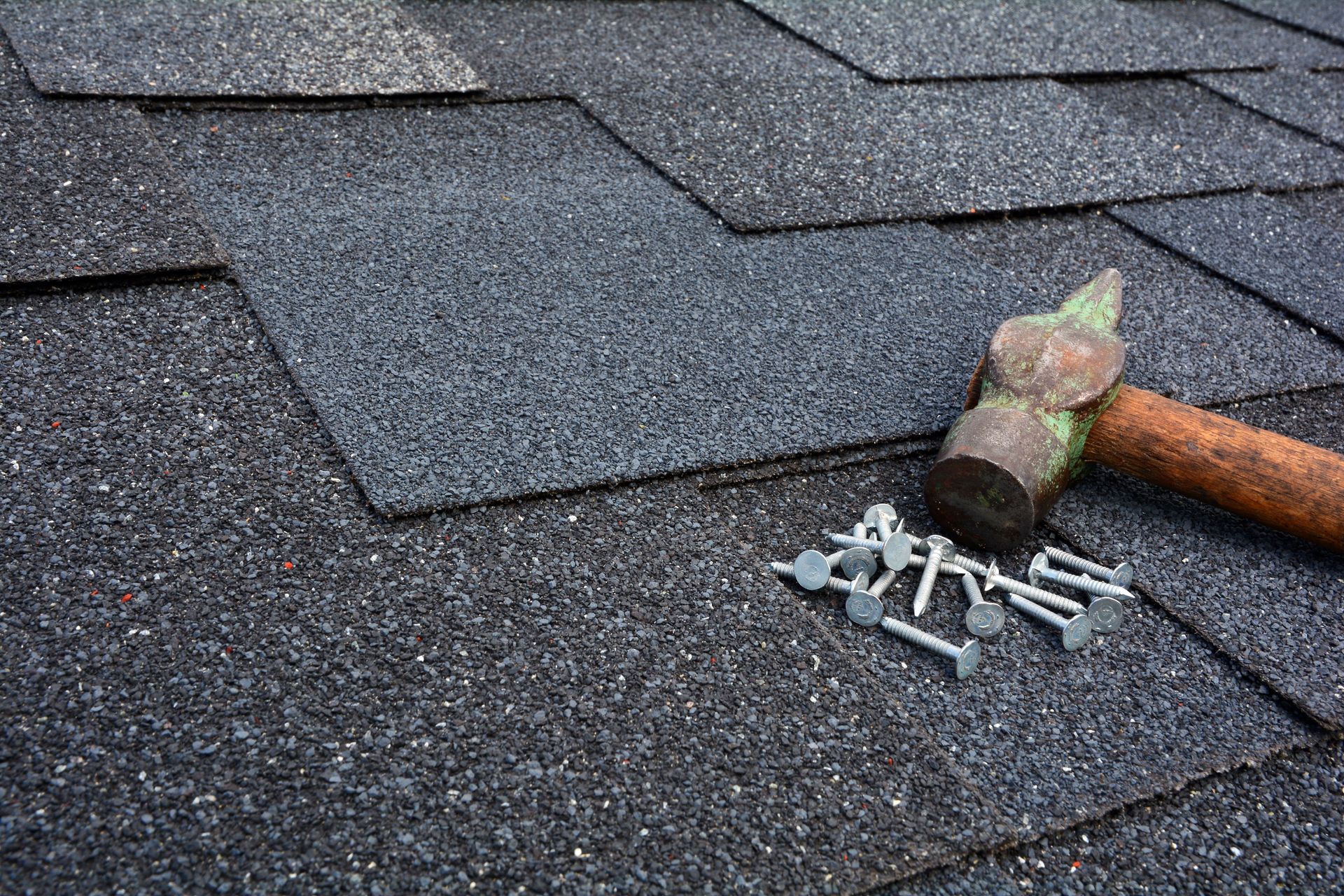
Modified bitumen is an evolution of traditional built-up roofing, designed to offer enhanced flexibility and improved performance in fluctuating temperatures. This system blends standard asphalt with polymerized rubber or plastic modifiers, creating a highly durable and adaptable weatherproofing membrane. The resulting material can stretch and return to its original shape, which is particularly beneficial for structures that experience significant thermal expansion and contraction throughout the year. Installation usually involves heating the material with a torch to create a seamless, watertight bond, though cold-applied adhesives are also utilized. The multi-ply nature of modified bitumen provides strong resistance to foot traffic and mechanical damage, making it suitable for roofs requiring frequent access for equipment maintenance. With a proven history of reliable performance, this roofing style remains a steadfast choice for property owners seeking traditional durability.
Prioritizing Energy Efficiency and Insulation
In today's environmentally conscious market, selecting a roof that enhances the energy efficiency of the facility is a top priority for many property managers. The thermal performance of the roof directly impacts the internal climate of the building, heavily influencing heating and cooling expenses throughout the year. Utilizing highly reflective materials can significantly decrease heat absorption, easing the burden on air conditioning systems during hot summer months. Furthermore, upgrading the rigid insulation board beneath the primary roofing membrane is a crucial step in preventing thermal loss during colder seasons. An experienced commercial roofing company will carefully evaluate the specific climate zone and recommend the optimal combination of reflective surfacing and high-density insulation. By prioritizing these energy-efficient components, property owners reduce their operational overhead and create a more comfortable indoor environment for tenants.
Reviewing Longevity and Maintenance Requirements
No matter which material is ultimately selected, implementing a proactive maintenance strategy is vital to maximizing the lifespan and performance of the new roof. Every system requires periodic inspections to identify minor issues, such as clearing debris from drainage points or checking for small punctures in the membrane, before they escalate into costly structural damage. Different materials carry varying maintenance expectations; for example, single-ply systems may require seam resealing over time, while metal roofs might need periodic fastener tightening. Establishing a routine inspection schedule ensures that any signs of wear and tear are addressed promptly, protecting the underlying insulation and decking from moisture intrusion. Working closely with a dedicated commercial roofing company to handle annual maintenance tasks keeps the warranty intact and provides peace of mind for the long term.
Making the final decision on a new roof requires a careful balancing of structural needs, material benefits, and long-term financial considerations. By thoroughly evaluating the specific demands of the property and understanding the unique advantages of each material, facility managers can confidently select a system that delivers lasting value and unwavering protection. A well-planned installation not only enhances the immediate safety of the building but also contributes to lower energy costs and reduced maintenance headaches down the road. Whether opting for a resilient built-up system, a reflective membrane, or a durable metal solution, the quality of the installation is just as important as the materials themselves. Relying on a professional commercial roofing company is the best way to ensure the project is executed flawlessly from start to finish. For expert guidance and top-tier installation services, call Mike Brown Roofing, Siding, Gutters today to learn more.